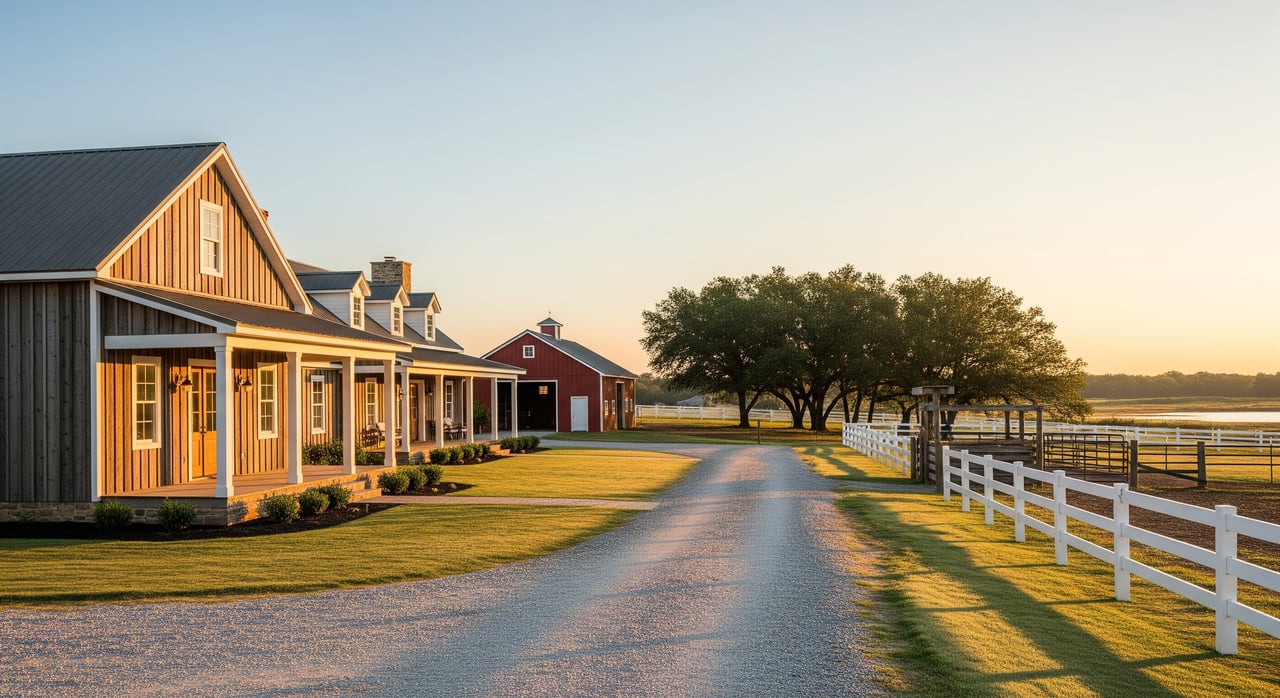
What Is Title Insurance? A Guide For The Ranch Buyers
December 4, 2025
December 4, 2025
Buying in The Ranch or considering acreage in Arkansas County and wondering what title insurance actually does for you? You are not alone. Title terms can feel abstract when you just want a smooth closing and long-term peace of mind. In this guide, you will learn what title insurance covers, how owner and lender policies differ, what ranch buyers should watch for, and how to keep your closing on track. Let’s dive in.
Title insurance protects you from covered losses tied to past problems with a property’s ownership history. Unlike other insurance, it covers issues that already exist but were unknown at closing. If a covered claim appears later, the insurer typically provides legal defense and pays valid losses up to policy limits.
An owner’s policy protects your equity and legal ownership rights. You pay a one-time premium at closing, and coverage lasts as long as you or your heirs have an interest in the property. Most buyers view it as a safety net for their investment.
A lender’s policy protects only your mortgage lender, up to the loan amount. Most lenders require it as a condition of the loan. It does not protect your equity, which is why buyers often choose to have both policies in place.
Most policies use standard ALTA forms with state-specific variations. If a claim arises, the insurer evaluates coverage based on the policy and any endorsements.
Rural and acreage properties can present unique title risks compared with typical suburban lots. That is why a thorough search and the right endorsements matter for Arkansas County.
Many ranch or acreage tracts rely on private roads or easements for access. Confirm you have legal access to a public road and understand any shared road maintenance agreements. An Access or Right-of-Way endorsement can help confirm legal ingress and egress.
A current boundary survey, often an ALTA/NSPS survey for larger parcels, can clarify fences, monuments, and recorded easements. For acreage, small boundary uncertainties can become big issues. A survey endorsement, where available, can be a smart add-on to address certain survey matters.
Mineral, oil and gas, timber, or water rights may have been reserved by a prior owner. The title commitment should reveal reservations in the chain. Coverage for subsurface rights varies by policy and endorsement, so ask your title company what is available and how it applies to your property.
Farm-related liens, probate irregularities, or old family conveyances sometimes surface in rural chains of title. A careful local search and early review of the title commitment help you address issues before closing.
In Arkansas County, deeds and land records are maintained by the county clerk. Some rural records are older or may not be fully digitized, which can lengthen search time. It is also wise to review floodplain information and any drainage or levee records relevant to the property’s location, and to consult local resources for water access considerations.
Title insurance premiums are paid once at closing. The owner’s policy is typically based on the purchase price, while the lender’s policy is based on the loan amount. Many buyers see an owner’s premium that ranges from a few hundred dollars for modest-priced homes to several thousand dollars for higher-priced acreage. The lender’s policy often costs less than the owner’s policy.
Who pays can depend on local custom and your purchase contract. In some markets sellers provide the owner’s policy. In others, buyers do. Your lender will usually require a lender’s policy and expect you to pay for it, but these terms are negotiable. Always confirm current practice with your agent or title company before you write the offer.
Ask about discounts for issuing owner and lender policies together. Many title companies offer a simultaneous issue rate. You can shop for quotes from licensed title companies and ask for a written estimate that includes endorsements and escrow fees.
The title company or closing agent conducts the title search, issues the title commitment, coordinates lien payoffs, prepares the settlement statements, manages escrow funds, records the deed and mortgage, and issues final policies. Your lender orders the appraisal, manages underwriting, and requires a lender’s policy. You and the seller complete inspections, respond to conditions, and sign documents.
While each deal is unique, this is a common timeline for the Little Rock area:
Rural or complex ranch purchases can take longer due to new surveys, access questions, or curative title work, so plan accordingly.
If you discover a potential defect after closing, notify the issuing title insurer right away. Title insurance generally covers legal defense and valid losses for covered claims that arose before your policy date. Your policy explains the limits and exclusions. Ask your title company to review key provisions with you so you know how to proceed if a claim arises.
For a helpful consumer overview, review the ALTA resources on title insurance and endorsements from the American Land Title Association. For closing process explanations and shopping tips, the Consumer Financial Protection Bureau offers clear guides. If you want to verify licensing or have a consumer question, contact the Arkansas Insurance Department.
If you need copies of recorded deeds or to check the recorded chain, the county clerk’s office maintains land records at the county level. Your title company will pull official records and help you interpret them.
If you want a trusted local guide and a smooth path from offer to closing, reach out to Dana Patterson Sims. Let me help you find your way home.
Stay up to date on the latest real estate trends.



Lifestyle
Uncover Hidden Gems and Popular Spots in Villages Of Wellington

Real Estate
Essential Smart Home Upgrades for Chenal Valley Residents
Real Estate
Essential Steps to Safeguard Your Home and Budget
Get assistance in determining current property value, crafting a competitive offer, writing and negotiating a contract, and much more. Contact me today.