
Chenal Valley Closing Costs for West Little Rock Buyers
November 21, 2025
November 21, 2025
Buying in Chenal Valley comes with a lot of moving parts, and closing costs are one of the biggest question marks. You want a clear number you can plan for, not a surprise the week before closing. In this guide, you’ll learn what Chenal Valley buyers in Little Rock typically pay, how each fee works, and smart ways to budget and negotiate. Let’s dive in.
Closing costs are the fees and prepayments required to complete your purchase beyond the price of the home. They include lender charges, third‑party services, title and escrow, government fees, and prepaid items like taxes and insurance.
If you are financing, buyers commonly pay roughly 2% to 5% of the purchase price in total closing costs. Sellers usually cover the real estate commission, often 5% to 6% of the sale price, plus their own side of closing items. Because Chenal Valley homes often sell above the Little Rock median, those percentages can equal higher dollar amounts.
Every loan and property is different, but here are common line items West Little Rock buyers see, with realistic ranges.
Local practices can affect who pays certain items and how much you should budget.
In some markets, sellers pay for the owner’s title policy. In others, buyers do. In Chenal Valley and broader West Little Rock, this is practice‑dependent. Confirm who pays for the owner’s policy on each transaction.
Pulaski County recording fees vary by document type and are usually modest. For exact figures, your title company will reference the county’s current schedule and prepare your final numbers.
Many Chenal Valley neighborhoods have mandatory HOAs. Transfer fees, estoppel letters, capital contributions, and dues timing differ by association. Your agent and title company will obtain the documents so you can budget accurately.
In a buyer’s market, sellers may offer credits toward your closing costs or a rate buydown. In a seller’s market, those credits are less common. Your negotiation strategy should match the current West Little Rock conditions.
Some lenders offer lower or rolled‑in closing costs. No‑closing‑cost loans usually come with a higher interest rate, so weigh the monthly payment against the upfront savings.
A quick way to plan is to apply the 2% to 5% rule of thumb to your price point:
Your lender’s Closing Disclosure will give you exact figures a few days before closing. Until then, use these examples for ballpark planning and adjust as you learn more about HOA fees, insurance, and tax timing.
You buy a $350,000 Chenal Valley home with 20% down. A typical total for buyer closing costs could land around $7,000 to $17,500. That includes loan and appraisal fees, inspections, title and escrow, prepaid insurance and interest, county recording, and any HOA transfer charges.
You purchase at $650,000 with 20% down. A realistic closing‑cost range is $13,000 to $32,500. The seller will usually pay the real estate commission from sale proceeds, while you cover your buyer‑side costs and prepaids.
Most Chenal Valley transactions close in about 30 to 45 days from contract. Cash purchases can be faster; specialized loans can take longer. Build in time for inspections, appraisal, title work, and HOA document delivery.
Your lender must deliver a Closing Disclosure at least three business days before you sign loan documents. Review it carefully to confirm the final cash‑to‑close and each line item.
Funds for closing are typically due by wire transfer or a cashier’s check. Title companies often require cleared funds the day of or 1–2 business days before closing. Always confirm the exact requirements with your closer to prevent delays.
Use these prompts with your agent, lender, and title company to dial in your numbers and improve your outcome:
Wire fraud is a real risk. Always verify wiring instructions by calling your title company using a trusted phone number. Do not rely on email alone.
Bank wires and transfers can face timing holds. Start early, and confirm your bank’s daily limits and cut‑off times. Ask your closer when they must receive funds to keep the closing on schedule.
Your initial Loan Estimate is just that: an estimate. The Closing Disclosure contains final numbers. Small variations are normal, but question large differences.
Sellers commonly pay the real estate commission, often 5% to 6%, from their proceeds. They also pay their share of prorated property taxes and any negotiated repairs or credits. Whether the seller pays the owner’s title policy depends on local custom and your contract.
If you request a seller credit toward closing costs, remember that loan rules cap how much the seller can contribute. Your lender will confirm the maximum allowed based on your loan type and down payment.
When you understand closing costs upfront, you can focus on the home instead of last‑minute math. Use the 2% to 5% guideline to budget, then refine your estimate with your lender, title company, and HOA documents. With a clear plan, you can negotiate confidently and close smoothly in West Little Rock.
If you are ready to map out your numbers and next steps, reach out to Dana Patterson Sims. Let me help you find your way home.
Stay up to date on the latest real estate trends.


Lifestyle
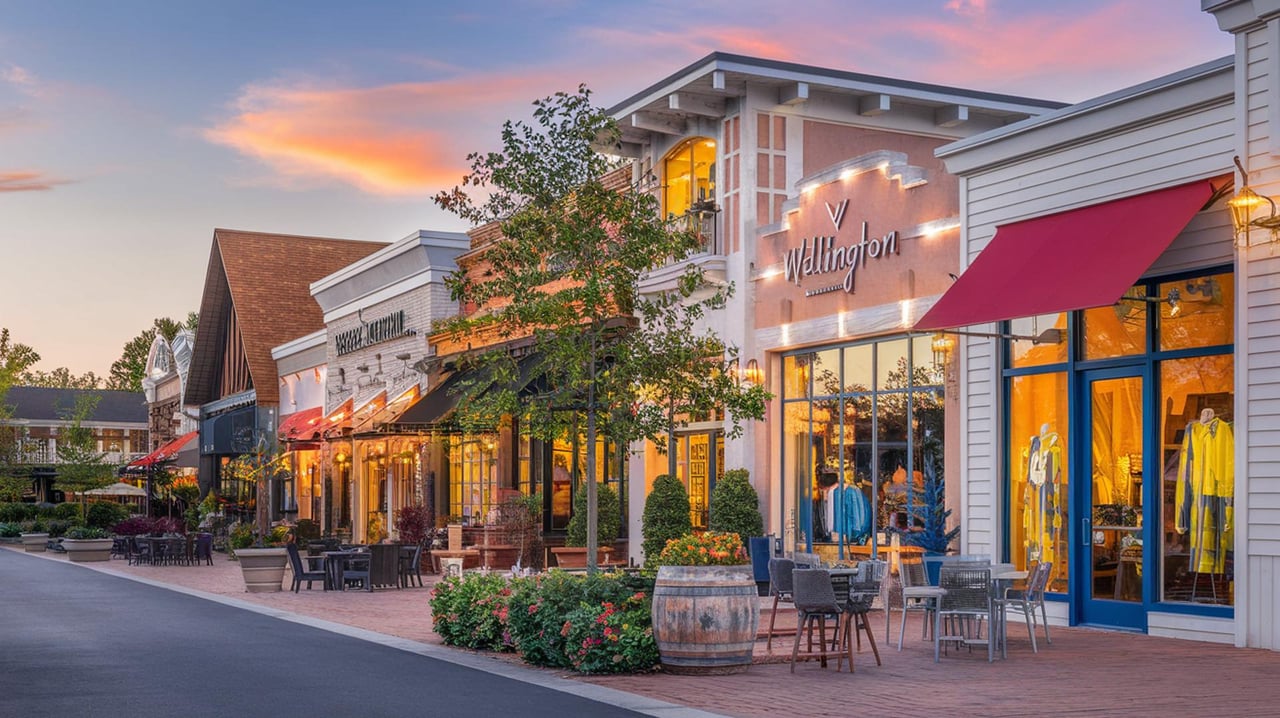
Uncover Hidden Gems and Popular Spots in Villages Of Wellington

Real Estate
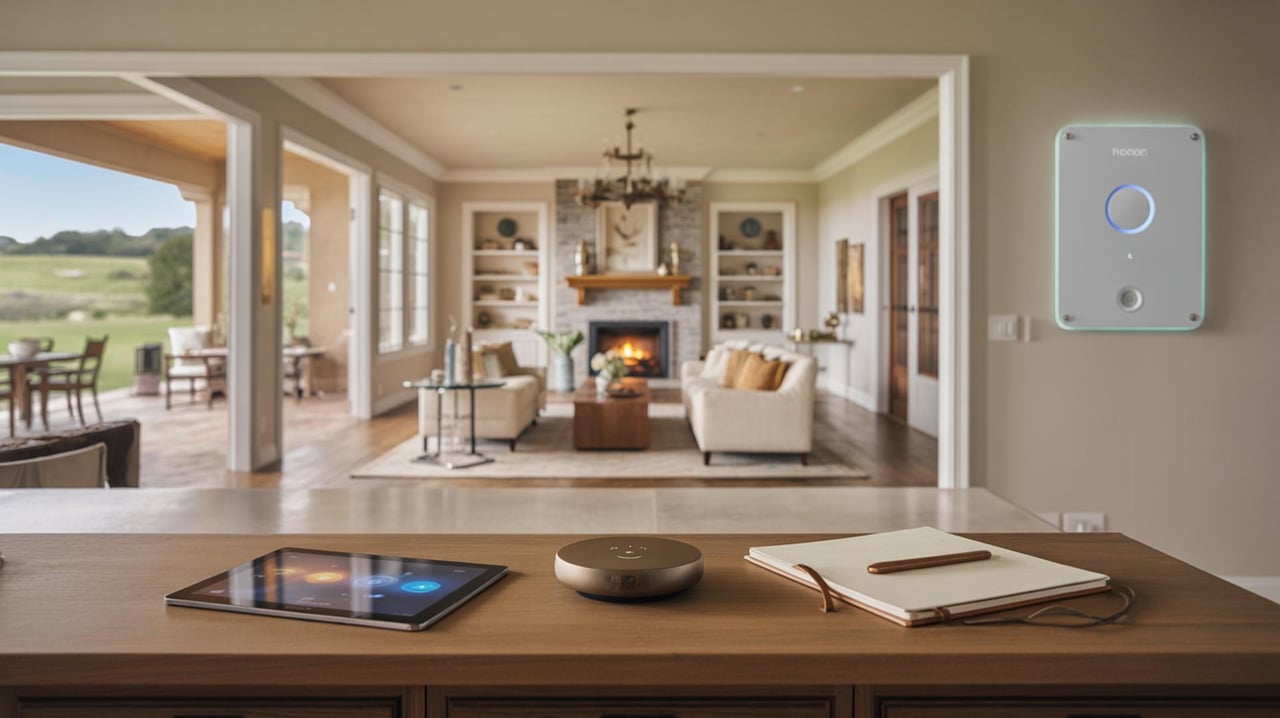
Essential Smart Home Upgrades for Chenal Valley Residents
Real Estate
Essential Steps to Safeguard Your Home and Budget
Get assistance in determining current property value, crafting a competitive offer, writing and negotiating a contract, and much more. Contact me today.